We all want youthful, bright, and healthy-looking skin. What is the best and simplest way to achieve skin that looks vibrant, glowing and functions as it should?
Our skin is the largest organ in the body and serves as a protective barrier against various elements. Healthy-looking skin boosts our confidence and makes us feel more attractive. What does it take to have skin that glows at any age?
Healthy skin requires commitment, not a miracle.

Skin care doesn’t have to be complicated, or cost a fortune. There are some simple, yet important things to keep in mind as we learn to care for our skin better.
Key steps to healthy, glowing skin:
- Prevention
- The sun is one of the principle causes of aging of the skin. So preventing sun damage from occurring is a must at every age.
- Wear a broad spectrum sunscreen, SPF of at least 30, everyday. Harmful UV rays are still present even on cloudy days.
- Some sun exposure is needed on bare skin to produce vitamin D in the body, a critical nutrient. Those of us who live in northern latitudes, or who cannot get sun exposure regularly, would benefit from a supplement.
- Avoidance
- Avoid smoking. Smoking decreases blood circulation. It causes dry skin, baggy eyes, deeper wrinkles, and a more saggy jawline. It also affects the functioning of the skin barrier. This leads to increased infections and slower wound healing.
- Avoid too much processed food as this will increase inflammation in the body. Inflamed skin is not healthy looking skin!
- Nourish
- Skin is the largest organ of the body and thus needs to be fed a healthy and varied diet. Avoid processed food. Eat closer to nature and lots of anti-inflammatory fruits and vegetables.
- Your skin needs lots of water to stay hydrated. Hydration is important for the cells of the skin to function properly. The skin is there to protect the body from the elements.
- Make sure your diet is rich in Omega-3. Omega-3 is a fatty acid (a good fat) which is hugely beneficial for skin health and appearance. It reduces inflammation and promotes healthy functioning. Healthy fats are found in fish, hemp hearts, and flax seed. You can, of course, use a high quality supplement if needed.

- Movement
- Your skin will look and feel healthier when you exercise regularly. Increasing blood flow and oxygen utilization will bring a glow and vibrancy to your skin. It will also allow all the organs of your body to work better.

- Supplement
- Several supplements have been shown to be beneficial to skin health and appearance. People spend a lot of money on supplements, and many of them aren’t well studied. These few have more evidence for a skin health benefit.
- Collagen – a protein that seems to show improvements in skin appearance. Hydrolyzed collagen has been shown to improve skin hydration and elasticity, which helps our skin look and function better.
- Vitamin C – Vitamin C is a great antioxidant. It helps to reduce inflammation and deal with free radicals. It increases natural skin collagen production. Vitamin C helps with skin healing and scar reduction. It can also help to brighten the skin. It degrades rapidly, so topical vitamin C products have to be made properly. Topically, it can be irritating, so you need to be careful with application, not too much too soon. It can cause redness, itching and burning. Use slowly.
- Niacinamide – This is a form of Vitamin B3. It has several benefits, reducing dark spots, can help calm down a breakout, and helps hydration. It seems to be a very good anti-inflammatory, which is great if you have sensitive skin.
- Hyaluronic acid – This is a sugar molecule which is found in our bodies naturally. It attracts moisture, so is really great for skin hydration. It makes the skin look less wrinkly, as it plumps up the skin.
- Several supplements have been shown to be beneficial to skin health and appearance. People spend a lot of money on supplements, and many of them aren’t well studied. These few have more evidence for a skin health benefit.

Tips for specific products and treatments
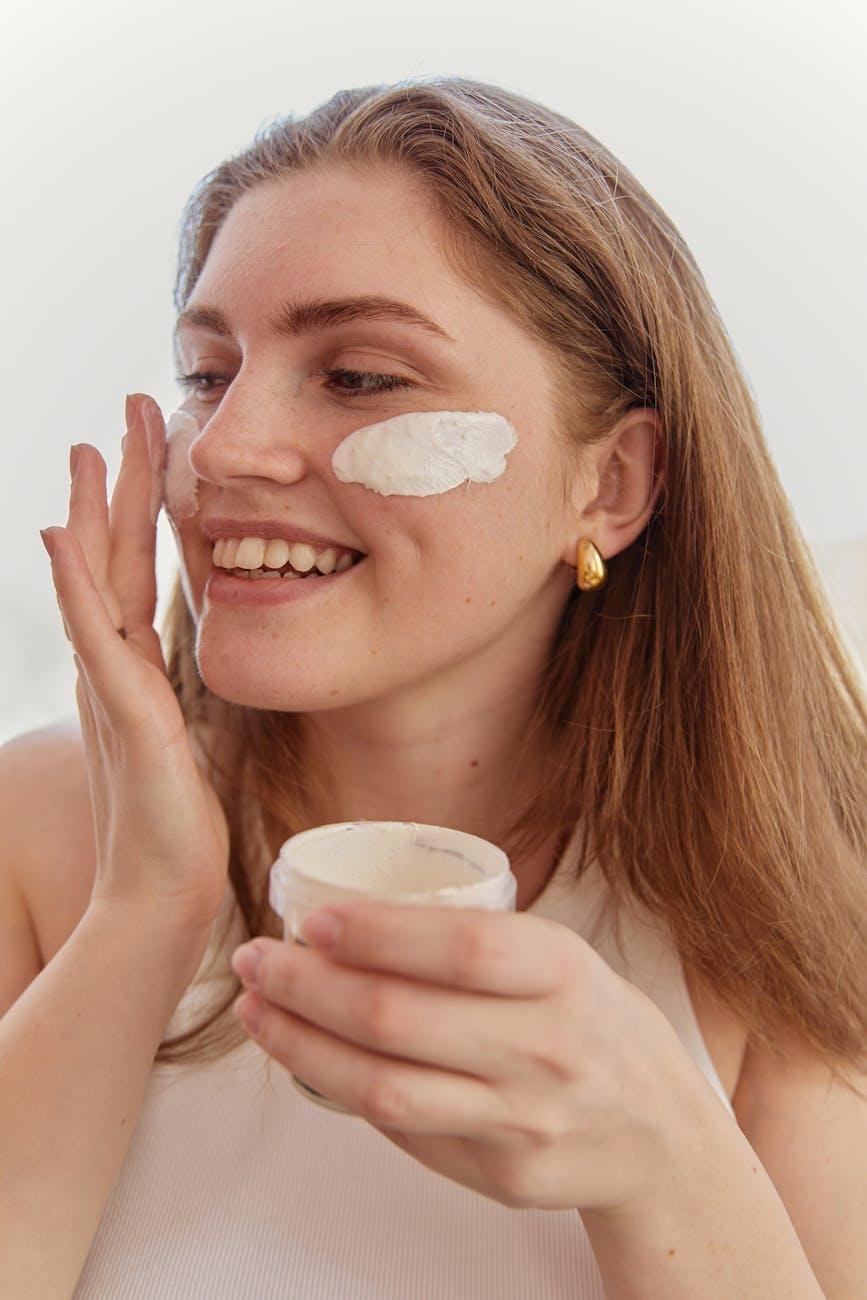
- Topical creams with Vitamin C, Niacinamide and Hyaluronic acid can be very beneficial.
- Always wear a day cream with SPF of at least 15, 30 is better, every day. Even cloudy days.
- Prescription retinols are effective at increasing collagen and resurfacing the skin. Be careful with them as they are very harsh on the skin at first. Be very careful that you don’t get the product in your eyes! Use them very sparingly and very slowly. Eventually you can work up to using them every night.
- Botox can be effective at preventing the development of deep wrinkles. Use sparingly. Make sure that the person injecting the Botox has medical training. Once Botox is injected, you can’t un-inject it! Some side effects that can happen are drooping eyelids if injected in the wrong area, pain, swelling and bruising. . And this can be a pricey treatment. It only lasts 3 or 4 months. So it can add up quickly.
Skin is a beautiful thing. Take care of it well.
Glowing and healthy skin is possible at every age. We are all getting older and that doesn’t mean we give up on our skin.
Learning to embrace your skin at every stage of your life is important. Aging skin can still look vibrant; a few wrinkles only add personality and character, and they are beautiful too!
Taking care of your skin doesn’t mean we always need to look 20 years old.
Being older is beautiful.
We can still care for our skin. The glow and vibrancy of healthy, hydrated skin can really enhance your appearance. This is possible with good skincare habits.




 Healthy Living Tribe