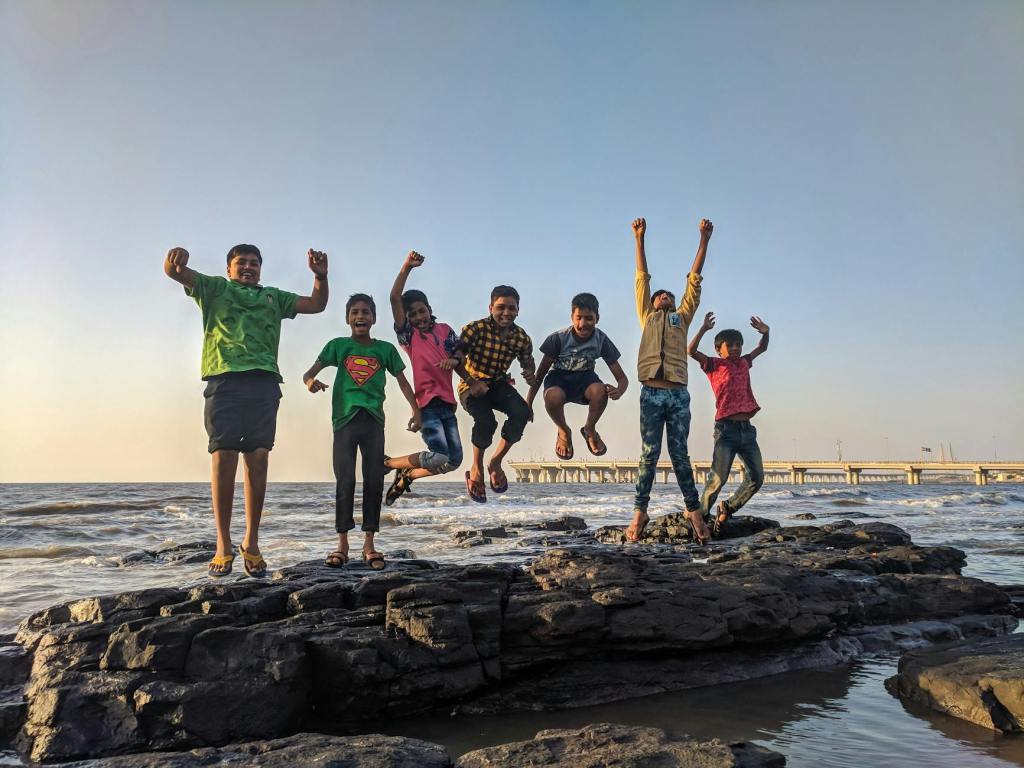
How we were raised shaped us.
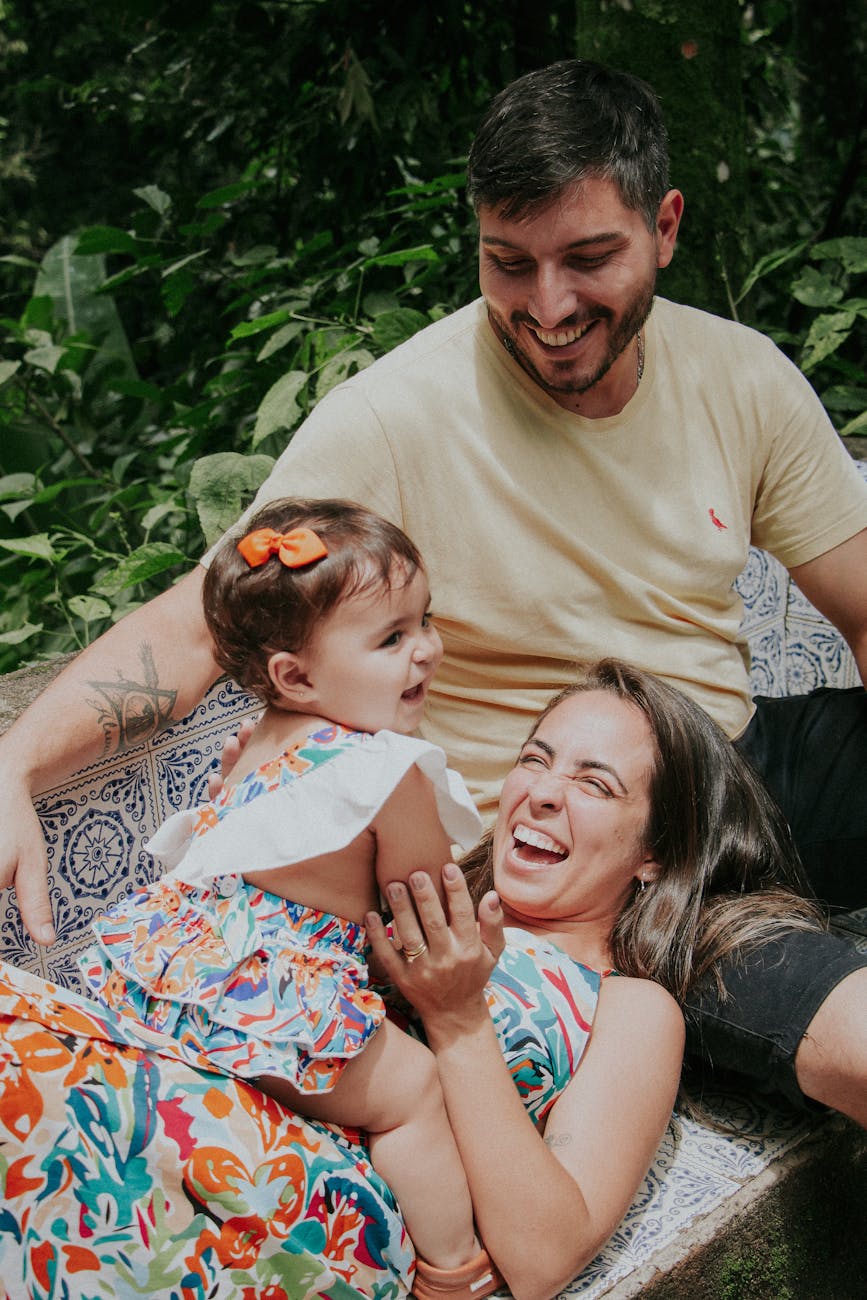
Everyone is undoubtedly influenced by their upbringing. Thus, we can all gain from examining how our childhood impacted our adult lives. There are many different childhoods out there. Sometimes, childhood memories and impacts are happy and loving; other times, it involved pain, neglect, or abuse.
We can’t change how we were raised but we can start changing how our upbringing affected us.
People are all different, even within your own family. Each of your siblings had a different experience growing up. Each person in your family has their own distinct memories and individual impacts of their younger years.
You may have been raised in the same home with the same parents. However, this doesn’t mean you will have the same memories. Your feelings and emotional scars also differ.
Many factors contribute to our unique experiences. These include personality differences and sibling order. Changes in our parents over time also play a role, as do childhood friends and support systems. Childhood is truly unique for every person.
Some of us need to heal from our childhoods. Maybe you do. You may think it is too late. You might feel you are too old. It was so long ago, it can’t possibly affect you now. But it does. Unhealed trauma and hurts linger and come out in destructive, sneaky ways and it doesn’t resolve on it’s own. Any and every age is a good time to heal. Nothing like the present to begin.
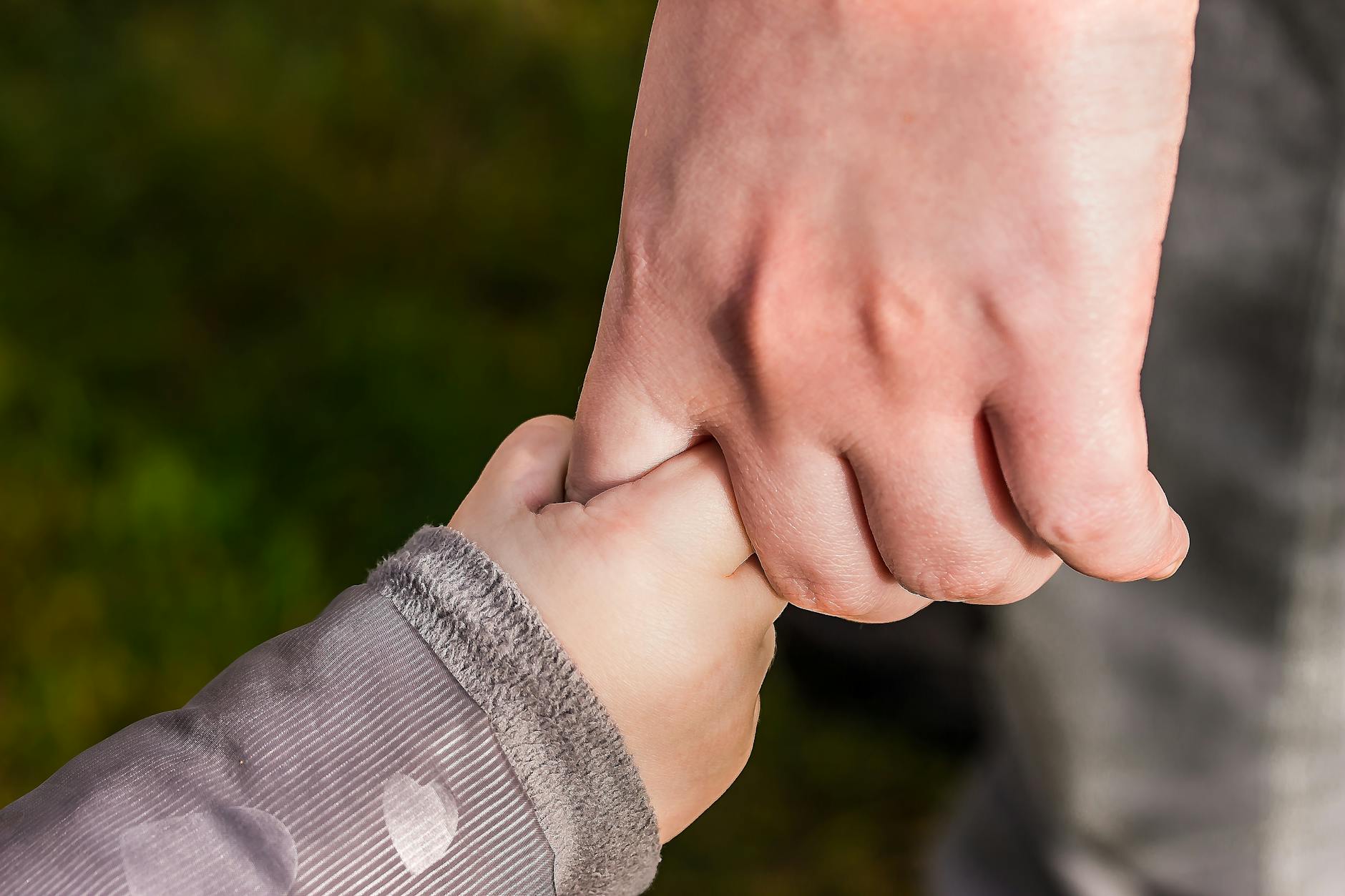
Firstly, you need to be aware that you have some healing to do. Many people never realize this.
Some people legitimately don’t have any issues that need specific healing. Their childhoods were relatively loving and affirming. If that is you, you are lucky and you should give your parents a hug.
Some realize they are still experiencing pain, or reliving pain, that comes from early life experiences. They are having problems at work, at home, with relationships, with sleep, with anxiety and more.
If this is you, it’s time to decide to do something about it. Can you benefit from taking steps to heal? Does what happened in your childhood classify as trauma? If so, then what?
We are all unique. Healing from our childhood hurts and traumas will be a slightly different path for each of us. Everyone’s healing journey is different.
Childhood hurts can sometimes be classified as trauma’s. It’s important to know how to define trauma.
What is trauma?
The best definition I have found for trauma is this:
Trauma is our body’s response in the present to things that happened in our past. Those experiences begin to cause problems in our personal, professional, and family relationships. – John Delony – Building a Non-Anxious Life.
Here’s a more in depth definition of trauma:
Trauma results from exposure to an incident or series of events that are emotionally disturbing or life-threatening with lasting adverse effects on the individual’s functioning and mental, physical, social, emotional, and/or spiritual well-being.
Experiences that may be traumatic include:
- Physical, sexual, and emotional abuse
- Childhood neglect
- Living with a family member with mental health or substance use disorders
- Sudden, unexplained separation from a loved one
- Poverty
- Racism, discrimination, and oppression
- Violence in the community, war, or terrorism
Although trauma can occur at any age, it has particularly debilitating long-term effects on children’s developing brains. – Quote taken from : https://www.traumainformedcare.chcs.org/what-is-trauma/
Thankfully, there are many resources and information about trauma out there to help.
Things from your childhood could still affect you today. If they are causing problems, then you have some trauma to heal.
Remember not to compare your hurt to another person’s. We all have our burdens to bear. Even if someone has a horrific tale of trauma in their lives, it doesn’t diminish your right to be upset. You can still feel hurt about your pain. You have a right to grieve your early life experiences.

How can we begin to heal our childhood wounds?
How can we start the process of recovering from our traumas?
Many times we will need to seek professional help. But be wary, not all therapy is helpful. If you feel you need therapy, choose a therapist trained in trauma therapy.
Ensure they have compassion and won’t insist you cut off family. That tends to be a trend in modern therapy.
Sometimes family is the problem, but sometimes it isn’t. Be careful and use discretion if someone tells you to cut out family members. Estrangement is becoming far too common and is unnecessary much of the time. Family wounds can be healed with the support of the family.
Many of our childhood wounds are because of loving but flawed parents, who tried their best. There wounds were inadvertent and not malicious. They can often be a huge part of your healing.
Of course, if the traumatizing and wounding situations are still occurring, then you will need to create distance.
I believe talking about past events with your family can be healing if those people can be supportive and listen. Often this support and understanding is a crucial piece of healing.
When you first begin the process of healing, focus on activities that boost your mood. Engage in activities that reduce stress. These will help you to regain a sense of safety and stability.
Activities that help to calm the nervous system:
*This first stage is all about reducing stress, feeling safe and nourishing your body and soul.
Rest and recover. Sleep lots.
Eat healthy food and drink lots of clean water.
Spend time doing things you enjoy.
Exercise daily – it’s a wonderful way to reduce stress.
Yoga
Mindfulness exercises, meditation and self hypnosis.
Walk outside – fresh air and nature is calming.
Breathing exercises. There are many breathing techniques that can relax the nervous system. Types such as box breathing
Ground yourself with the five senses exercise. You look for five things you can see. Four things you can touch. Three things you can hear. Two things you can smell. One thing you can taste.
See and talk with friends.
When you feel ready, you can go further into your healing journey.

Next steps to start healing:
- Journal – start writing in your journal daily. Explore your feelings. Feel your feelings. Feel your sadness and anger and grieve. Write down your experiences and your feelings. No one else needs to read this.
2. Read books about trauma, stress and anxiety. There are many good books out there that will greatly help you on your healing journey.
Some books I recommend:
The Body Keeps the Score – Bessel Van Der Kolk
Trauma the Invisible Epidemic: How Trauma Works and How We Can Heal From It – MD Conti
Healing Trauma: A Pioneering Program for Restoring the Wisdom of Your Body – Peter A. Levine
and so many others.
3. If you experienced severe trauma, you may the help of a professional. They can help you work through your grief and pain.
These suggestions are just a start – a jumpstart if you will – to help you begin your healing journey. More in-depth methods are covered in the books mentioned above. They will take your healing journey further and into the realm of peace and calm.
In summary, if your childhood wasn’t ideal, it may affect your adult life. Hurts and traumas from that time can be significant. Take the time and effort to claim the peace you deserve, at last.
We all deserve a happy and healthy adulthood. You deserve it. You can achieve this. It will take some effort. But is well worth it. You don’t need to carry burdens from childhood throughout your life.


 Healthy Living Tribe